
Incarcerated People's Communications Services (IPCS)
Options in determining the future method of Task Force Outreach
Previous IPCS Task Force Meetings
2025 IPCS Program Update to Commission
Welcome to the Colorado IPCS Program
The Colorado Public Utilities Commission (PUC) is tasked with fostering transparency to the public by way of four primary duties regarding Incarcerated People’s Communications Services in the State of Colorado:
- Receive informal consumer complaints. IPCS staff at the PUC utilizes this data to identify the providers that are receiving complaints, understand the types of complaints being made, and attempt to find resolutions between the IPCS providers and their consumers when possible.
- Conduct biannual quality testing on the IPCS systems and technologies being utilized within Colorado facilities that hold incarcerated people. This testing offers insight into the level that any given system is functioning while also ensuring that IPCS providers are adhering to the FCC intrastate rate.
- Receive and publicly publish quarterly reports from the IPCS providers that are utilized to monitor and ensure adherence to FCC intrastate rate caps. Additionally, the IPCS Program makes the contractual agreements between all facilities and their IPCS Providers along with copies of each company’s unclaimed funds policies available to the public.
- Publicly publish annual reports that are an amalgamation of all the data received through a given calendar year; including, but not limited to, the quarterly reporting data, the findings of the biannual quality testing, the trends in consumer complaints, the identification of problematic practices or technology with proposed resolutions, and the compliance or noncompliance of all ICS providers within Colorado regarding the set FCC intrastate rate caps.
Current, Future, and Ongoing Developments
Key Updates to the Martha Wright-Reed Act and its implementation
- Purpose: The act aims to lower the cost of communication for incarcerated people and their families by directing the FCC to establish "just and reasonable" rates for both audio and video calls. It also prohibits site commissions, which are kickbacks facilities receive from communication providers.
- Initial FCC Order (July 2024): The FCC passed rules to lower rate caps, ban site commissions, and apply new per-minute pricing to all audio and video calls.
- Delayed Enforcement: The FCC later delayed the enforcement of the new rate caps until April 1, 2027, citing the possibility of permanently changing the rules.
- Criticism of the Delay: The delay has been heavily criticized by advocates, including FCC Commissioner Anna Gomez, who argue it defies the law and the will of Congress, and shields a system that is exploitative of families.
- Ongoing Action: As of the most recent information, the FCC is still seeking comments on petitions for reconsideration of its implementation order.
- Partial implementation: Some provisions, such as the prohibition of site commissions, have compliance deadlines that vary depending on facility type and existing contracts.
Where things stand now
- The core rate reductions promised by the 2024 order are on hold until April 1, 2027.
- Families are still being charged high rates for calls, but some facilities have already implemented new contracts in accordance with the 2024 order.
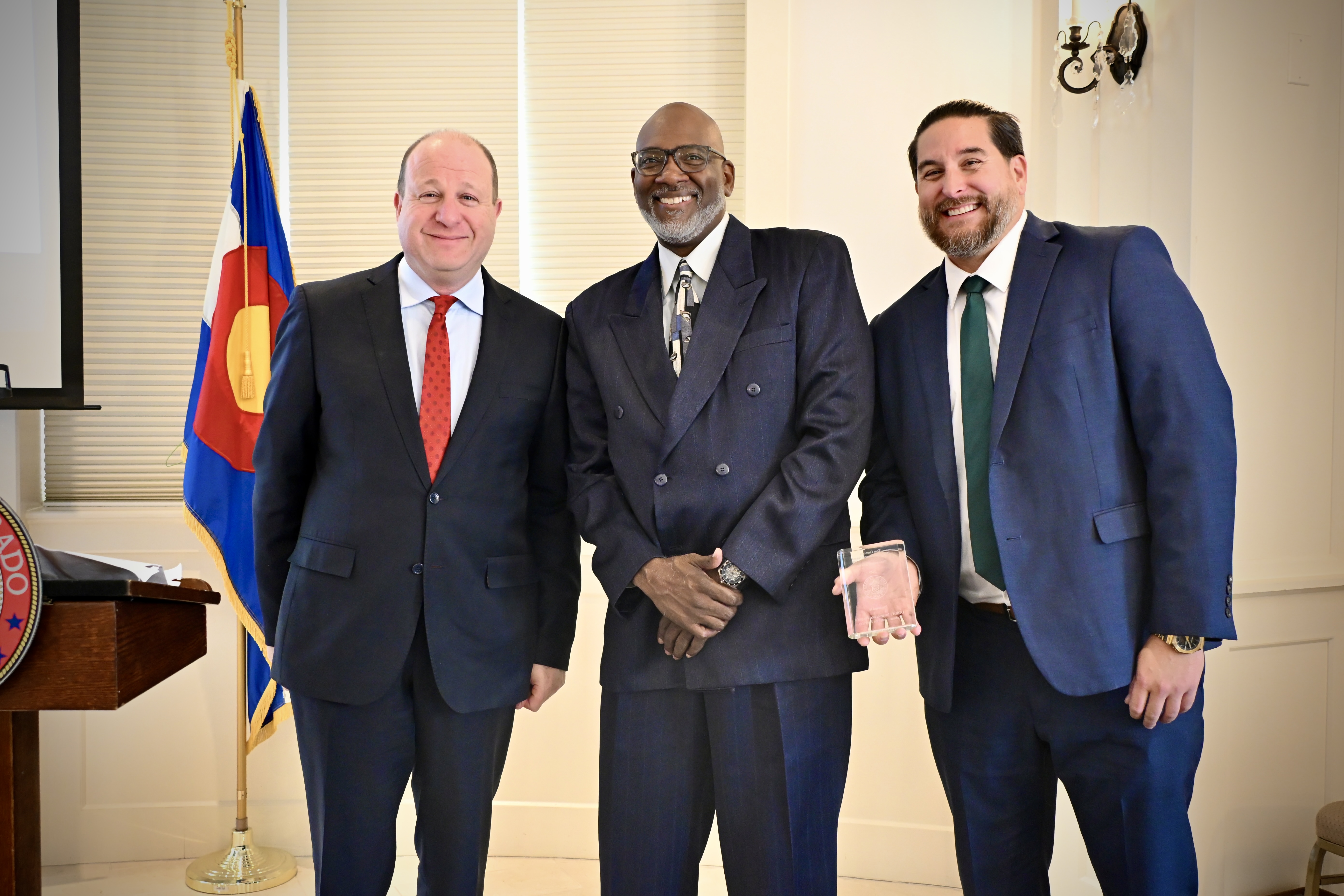
Governor Polis Announces Tom Clements Better Government Award Winners
IPCS Providers and Info
The proceedings below will direct you to the Incarcerated People's Communications services reports from various providers:
Quarterly Reports
The links below will direct you to folders in Google Drive: